Western fjords
Classic steep-sided fjord landscapes, long viewpoints and road journeys shaped by tunnels, ferries and mountain passes.
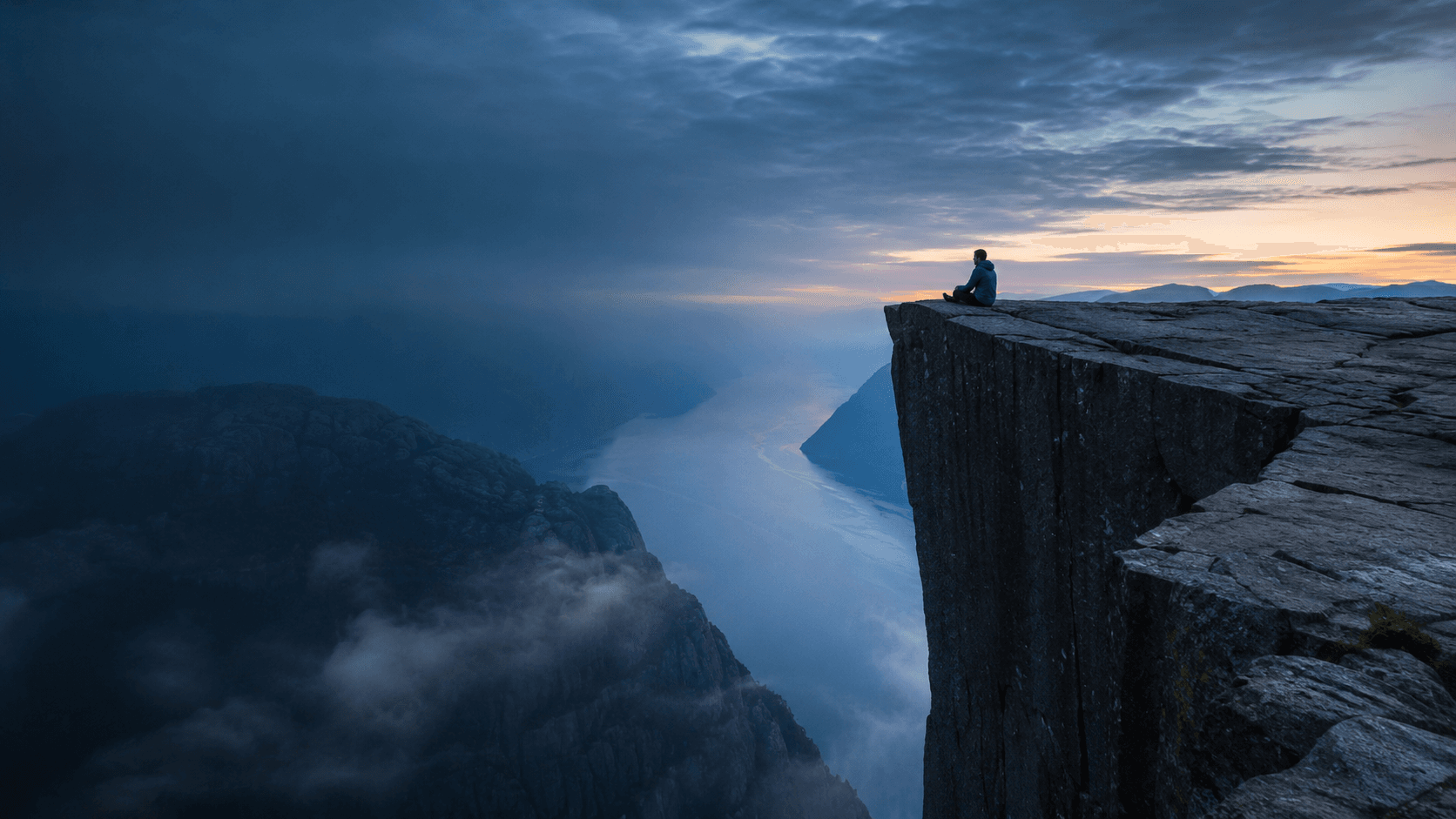
Landscape guide
A calm planning guide to deep water, steep mountains, ferry routes and the slower rhythm of fjord travel.
01 / Landscape character
Norway's fjords are not one destination. They are a way of moving through the country: by road, ferry, viewpoint, village and weather window.
Classic steep-sided fjord landscapes, long viewpoints and road journeys shaped by tunnels, ferries and mountain passes.
Quieter Arctic fjords with broader light, smaller communities and routes that often connect coast, islands and inland valleys.
Fjord travel often depends on crossing schedules. Treat ferries as part of the experience, not an interruption.
02 / Planning notes
A strong fjord itinerary leaves room for slow roads, weather changes, viewpoints and short pauses that rarely fit into a rushed schedule.
Staying longer in fewer places usually works better than changing accommodation every night.
Open guideLate spring through early autumn is usually easiest for roads, ferries and high mountain access.
Open guideDistances can look short across water but become longer once roads, ferries and detours are included.
Open guide03 / Travel style
The most memorable fjord days are often simple: one road, one ferry, one village, one weather break.
Fjord drives are best planned with conservative daily distances and frequent stops.
Open guideLow cloud, rain and shifting light can make fjord landscapes more atmospheric than clear midday sun.
Small fjord communities are lived-in places. Park carefully, respect private land and support local businesses.
Related paths
Continue planning
Place the fjords inside a realistic route, then adjust the journey around season, ferry timing and weather.