01
Lofoten is extraordinary, but the islands reward travellers who slow down, keep plans realistic and leave room for weather changes.
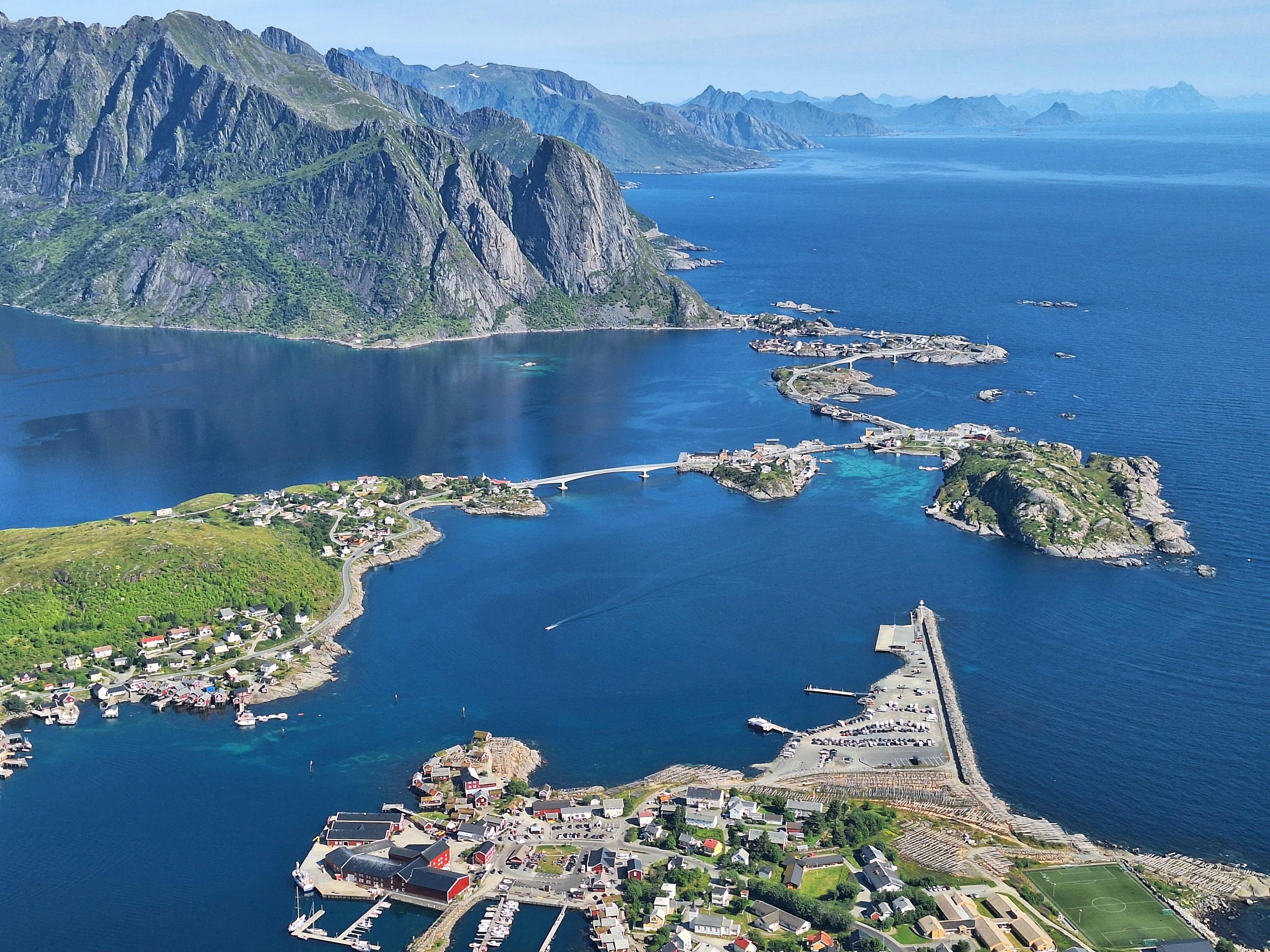
Northern Norway / Above the Arctic Circle
A cinematic but practical guide to Norway's weather-shaped islands where red cabins, steep mountains and Arctic light are strongest when you slow down and plan realistically.
01 / First impression
Lofoten is extraordinary, but it is not a film set. It is a chain of small communities where weather, roads, ferries and local routines matter every day.
The islands reward travellers who stay longer in fewer places, plan transport honestly and accept that mountain weather can change your day quickly.
Build your route around practical bases, leave margin for ferry shifts and avoid overpacking each day. That is where the best Lofoten experiences usually come from.
02 / Navigation
Jump directly to the sections you need while planning.
03 / Perspective
01
Lofoten is extraordinary, but the islands reward travellers who slow down, keep plans realistic and leave room for weather changes.
02
The villages, harbours and roads are not a backdrop. They are lived-in communities with local routines, working fisheries and limited infrastructure.
03
A strong Lofoten trip is less about chasing every viewpoint and more about choosing a calm base, timing your drives and letting the light shape the day.
04 / Orientation
Lofoten sits in Nordland above the Arctic Circle, linked by the E10 and several ferry-dependent edges.
Think of the islands as a connected corridor rather than one single place. Svolvær, Leknes and the Reine / Moskenes zone each suit different route styles.
Travel is usually simple in stable weather and more complex when wind, sea state or visibility shifts. Keep each move realistic and give yourself route margin.
05 / Seasons
Longest daylight and easiest logistics for hiking, beaches and evening drives, but also the busiest period with higher pressure on roads and stays.
A practical shoulder season with softer light, fewer visitors and a quieter pace. Weather is more changeable, so keep plans flexible.
Darker, more demanding months with winter conditions and northern lights potential. Build conservative plans and expect weather interruptions.
A transitional season with growing daylight and mixed ground conditions. Useful if you want fewer crowds without deep winter complexity.
06 / Planning
2-3 days
A short first look. Choose one base and avoid trying to cover the full island chain.
4-5 days
A good first road trip length, with enough room for one or two bases and basic weather flexibility.
7 days
A stronger pace for slower travel, route buffers and better light windows for photography.
10+ days
Ideal for deeper hiking, side trips, Værøy or Røst extensions, and a calmer travel rhythm.
07 / Access
Treat arrival as route planning, not one transfer step. Ferry, road and air choices all affect your daily rhythm.
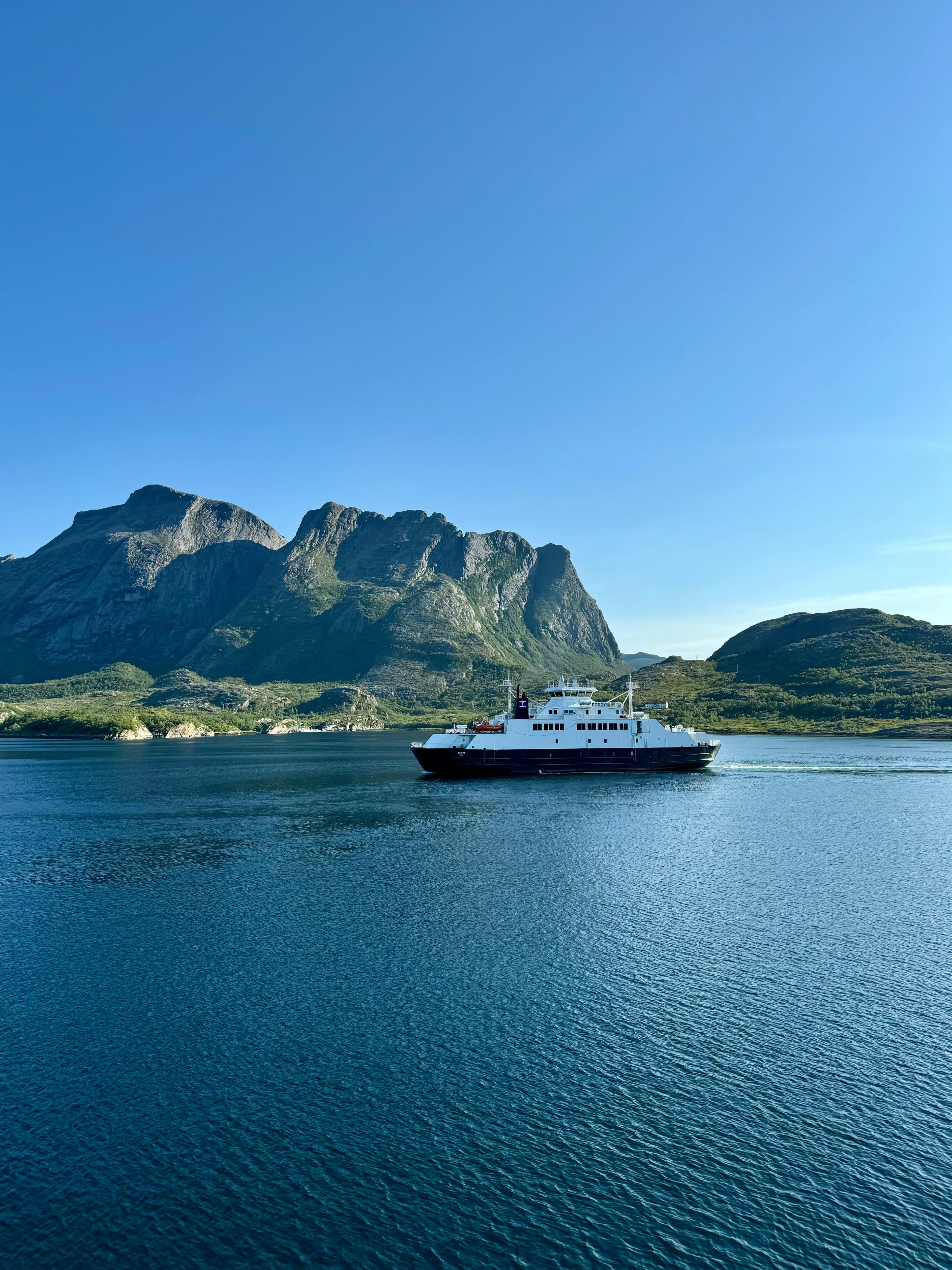
Ferry approach
Bodø-Moskenes is a key corridor for west-focused routes.
One of the most direct western approaches, especially for car travellers continuing into Reine, Hamnøy and nearby villages.
A practical route when entering Lofoten through the mainland road network and ferry crossings.
Choose your airport by where you want to start driving and how much transfer time you can tolerate.
Use Entur and Reis Nordland to combine buses, ferries and local segments in one plan.
08 / Mobility
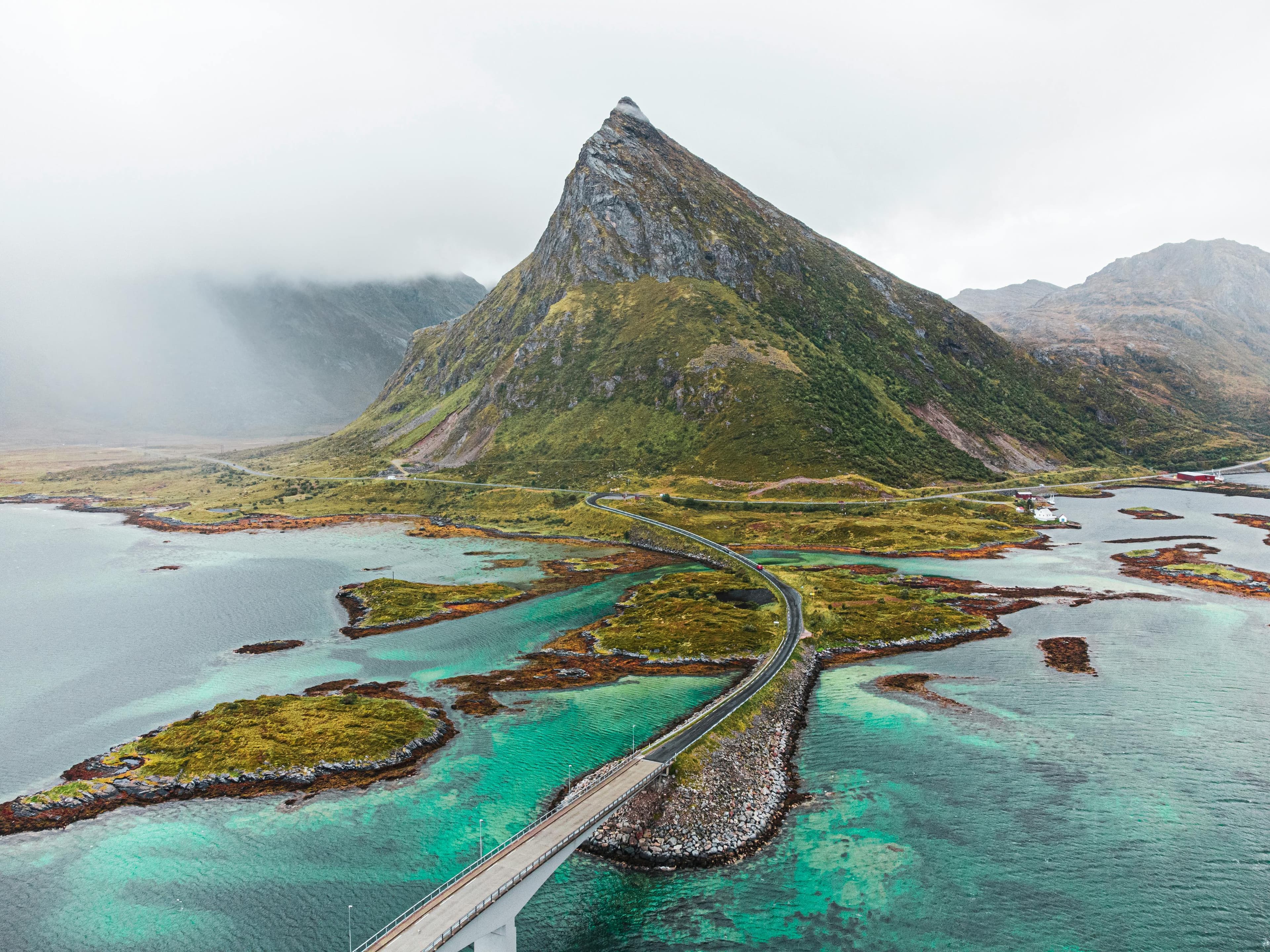
E10 corridor
Keep daily distances modest and choose fewer, stronger stops.
Always check official planners before travel. Ferry schedules can change, and weather can disrupt departures.
09 / Accommodation areas
These are practical bases and well-known areas to compare, not a ranking.
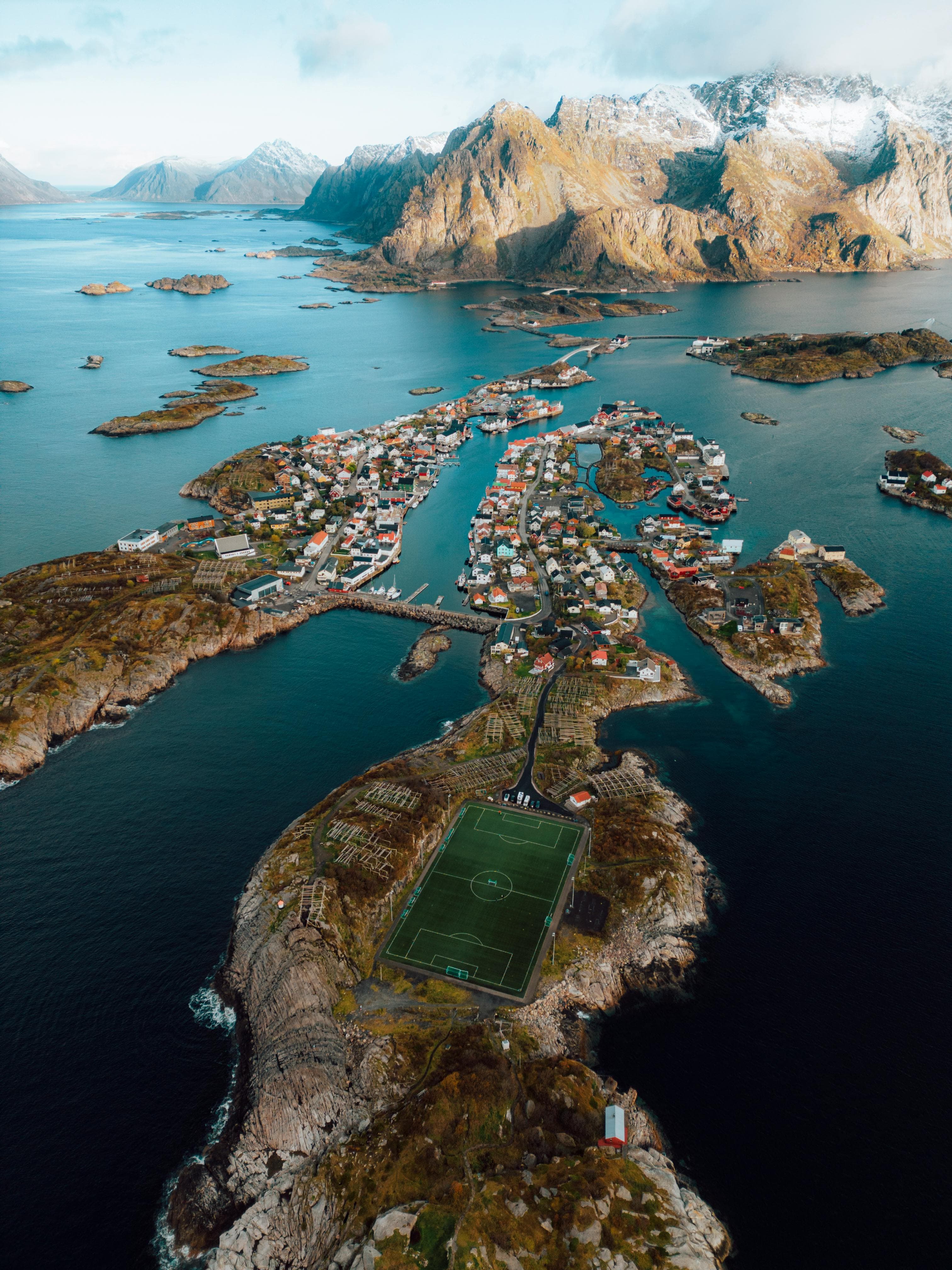
Village life
Henningsvær is a strong example of a slower village base.
Practical base for first or last nights, food, tours, shopping and transport.
Calmer cultural base near Svolvær, useful for travellers who want a softer village feel while staying practical.
Atmospheric village base for food, harbour walks, photography, galleries and slower travel.
Central logistics and quieter coastal base if you want to explore both east and west.
Beach, camping and coastal-light base, often better for open landscapes and slower road-trip days.
Iconic western base for rorbuer, mountain views, ferry access and photography, but often busy and expensive in peak season.
Heritage-focused base with a historic fishing-village atmosphere and slower pace.
Hotels travellers often research
Camping and campervan names
Availability, prices and ownership can change. Always check official websites, trusted booking channels, parking rules and cancellation terms before booking.
10 / Rorbuer
Traditional fishermen's cabins, often restored into atmospheric accommodation near harbours, fjords and working coastal villages.
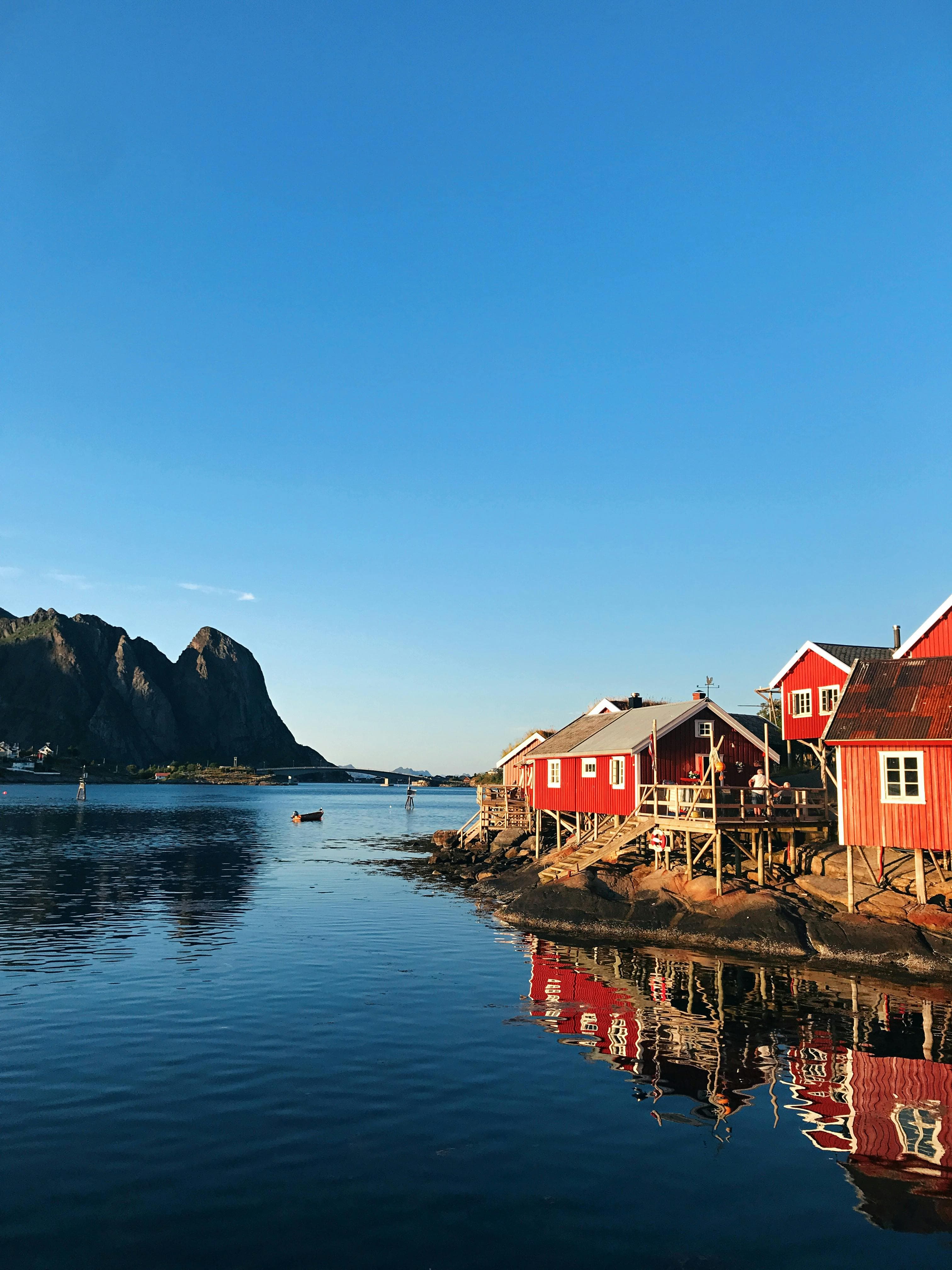
Cabin atmosphere
Rorbu stays can define the character of a Lofoten trip.
Rorbuer can be one of the most memorable ways to stay in Lofoten, but they are also popular and can be expensive in peak season.
These are well-known names travellers often encounter when researching rorbu stays.
Book early in summer if this stay style is important to your itinerary.
11 / Camping
Camping can be beautiful, but it needs more planning than social media suggests.
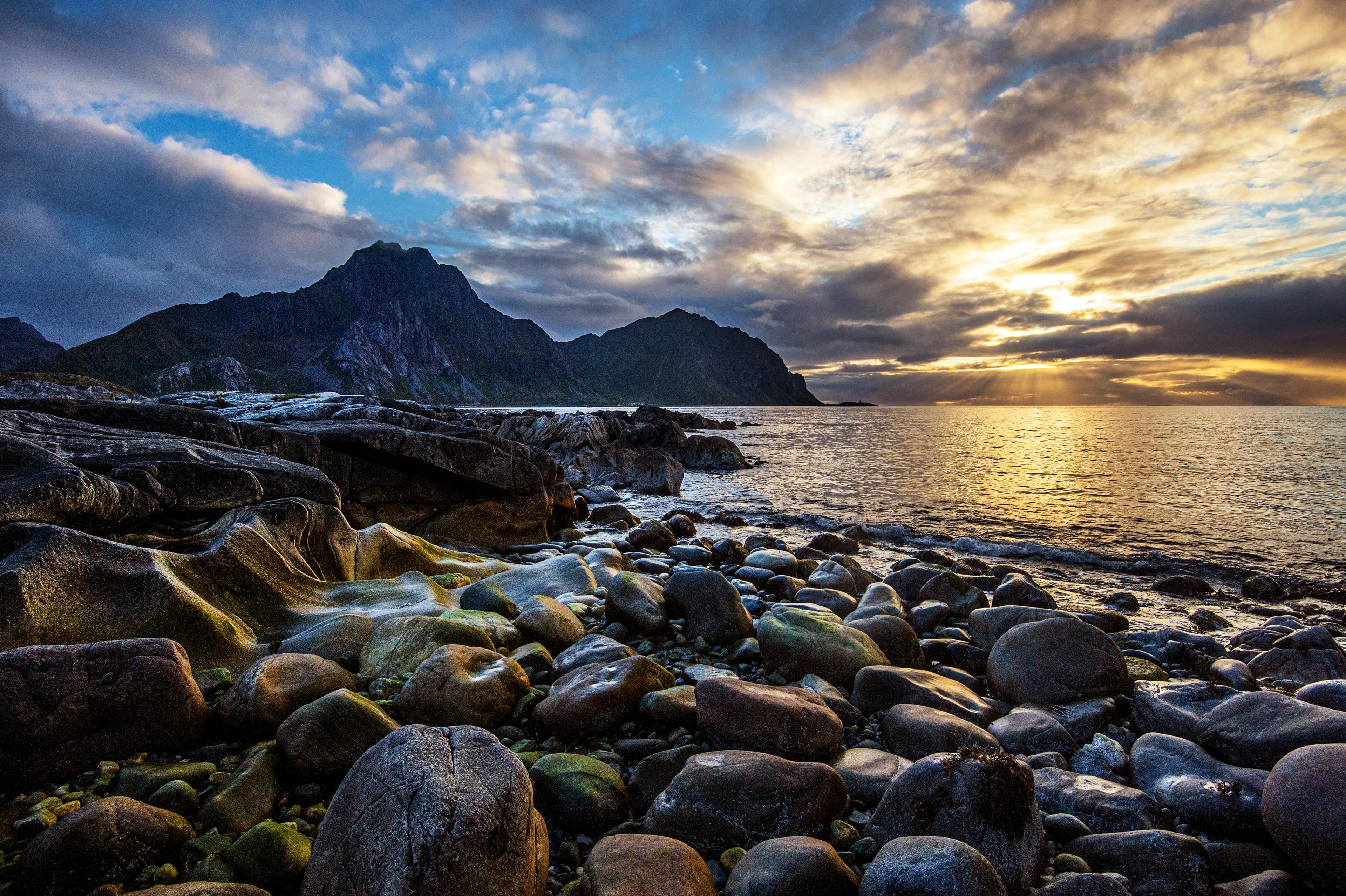
Coastal light
Scenic camps are possible, but responsibility matters more than photo timing.
12 / Places
Harbour life, galleries and evening light that suits a slower base rather than a short stop.
Strong surf and changing weather moods. Good for patient coastal time, not rushed checklists.
A heritage fishing village where architecture and pace matter as much as viewpoints.
Iconic mountain-water composition that is best experienced early or late, outside peak rush hours.
Wide beaches, softer horizons and good conditions for slower scenic drives.
Western edge villages with maritime character, practical ferry context and strong evening atmosphere.
13 / Itinerary
Use this as a pacing model, not a fixed checklist.
Day 1
Start in Svolvær, Kabelvåg or Henningsvær. Keep the first day short and absorb local rhythm.
Day 2
Use short drives and village walks instead of long mileage. Keep room for light and weather.
Day 3
Move west toward Leknes, Ballstad or Ramberg with one or two focused stops.
Day 4
Choose one landscape type for the day and avoid over-packing viewpoints.
Day 5
Stay near the western classics and plan around crowd patterns and shifting light.
Day 6
Use this day for a deferred hike, ferry-dependent move, or simple village time.
Day 7
Keep departure timing conservative for ferries, airport transfers or long drives out.
14 / Trust notes
Editorial planning advice
Do not plan too many places in one day.
Traveller-reported theme
Do not rely on wild camping everywhere.
Official guidance
Do not park in passing places or private areas.
Official guidance
Do not drive off-road.
Editorial planning advice
Do not underestimate weather.
Official guidance
Do not hike exposed routes without proper gear.
Editorial planning advice
Do not treat villages as photo sets.
Official guidance
Do not fly drones without checking rules.
Traveller-reported theme
Do not assume summer means quiet roads.
Editorial planning advice
Do not arrive in peak season without accommodation.
Editorial planning advice
Do not trust old ferry screenshots.
Editorial planning advice
Do not build a no-car itinerary around wishful thinking.
15 / Responsibility
Drone guidance
16 / FAQ
Yes, especially for travellers who enjoy dramatic coastal landscapes and can plan with realistic pace and weather flexibility.
Four to five days works for a first trip, while seven days gives a better balance for weather buffers and slower travel.
There is no single best month. June to August is easiest for logistics, while September and October often feel calmer.
Yes, but bus and ferry planning must be done carefully. Entur and Reis Nordland are essential tools.
A practical approach is one eastern base and one western base, depending on arrival route and trip length.
It is a key connection, but schedules and departures can be affected by operational changes and weather.
Yes, during darker months with clear skies, but weather and cloud cover determine actual visibility.
Midnight sun conditions are associated with the summer period around late May to mid July.
The right to roam applies with rules. Respect distance requirements, private property and local restrictions.
Roads are generally manageable, but can be narrow, busy in summer and exposed to changing weather.
Some hotspots can be crowded in peak weeks. Early starts, slower routing and advance booking help.
Yes, only when rules are followed. Always check local restrictions and aviation guidance before flying.
Avoid rushed itineraries, illegal parking, off-road driving and treating villages as unmanaged tourist zones.
Yes, if days are paced well and routes avoid long, tiring transfer blocks.
Lofoten can be expensive, especially in peak summer. Early planning and flexible base choices help manage costs.